Maker Spotlight: Andy Rumming’s Beef
15 April 2026
Maker Spotlight
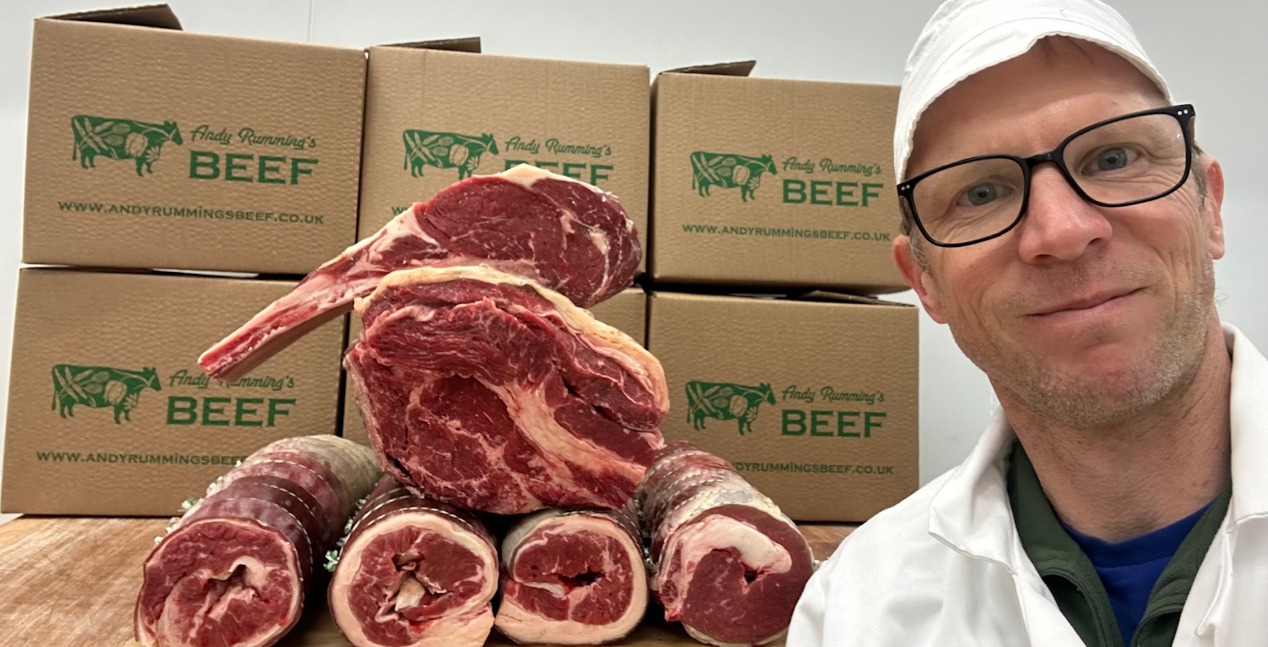
Andy Rumming’s family has been farming beef for over 60 years in Wiltshire, putting animal welfare at the top of their agenda.
We spoke to Andy about the farm’s 100% grass-fed philosophy and the difference it makes, as well as learning more about the farm’s other initiatives.
How did you get started farming, Andy?
The farm’s been in the family for many years. My grandfather bought it in 1949. But I left to pursue other things, eventually coming back about 13 years ago. My focus was on 100% grass-fed beef and how we could build more biodiverse on the farm and great produce – you know, really super nutrient dense beef – and sell it directly to the public. So I looked at putting our own processing facilities in and it’s all gone from there.
What kind of difference does 100% grass-fed beef and greater biodiversity give you?
Cattle are built to convert things that we can’t eat, like grass, herbs and a whole range of other plants, into milk, meat and so on. But over the years, the beef farming process has been very industrialised – their diet has included maize and more grain, and we see a lot of food byproducts and waste products being fed to cattle. That gives it a different nutritional profile to 100% grass-fed.
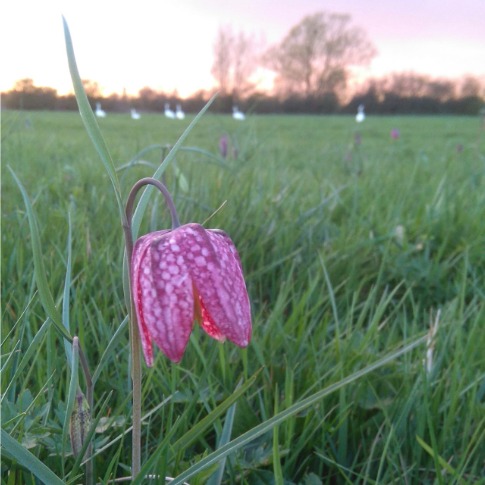
The most cost-effective feed you can really give to cattle anyway is grazed grass. We’re also in an area where we’ve got a lot of historic hay meadows of national importance, and the only way those hay meadows survive is if you have cows that will eat the hay and graze there. So it all fits together quite nicely.
You get increased biodiversity from actually cutting the hay and grazing the cows at the appropriate time of year, and that then means we get meat with higher Omega 3s and more superior nutritional content.
We’re Pasture for Life certified, which is the certifying body for 100% grass fed beef in the UK. They audit what we do on the farm and through the butchery, so customers can be fully assured that what we say on the packet is what’s inside.
Do you butcher on the farm or outsource?
We have our own onsite butchery facilities – so we get the cows slaughtered not too far away and the quarters are delivered back to us so we can age them in our dry aging fridge before butchering and selling to the public. Our great relationship with the abattoir and our own butchery means we have full control of all the really important bits from pasture to plate.
What are the most popular cuts?
We sell a lot of mince because it’s very versatile. People are busy, and mince is nice and quick to do something with, so that’s popular. It really depends on what’s trending online – Nigella Lawson did a recipe with short ribs not too long ago, so we went from people having zero interest in short ribs to that being off the scale.
Lately, we’ve seen a lot of interest in mince with added liver, which has been a huge thing driven by the internet. Increasingly, people want bone marrow and more offal, there’s a big resurgence in nose to tail eating.
There is a lot out there on TikTok about ketogenic diets and carnivore diets, do you think that might be fuelling that interest or is it more about what’s popular in recipes at the moment?
It’s a bit of both. You’ve got people who follow chefs and are looking for perhaps more gourmet things they can cook at home, especially with the price of eating out going up. And then there is an increasing number of people who want to change their health through what they eat, and we do very well through that group of people. For example, they may want to get more Omega 3s in their diet, or more collagen, and we’re also selling a lot of tallow now – so that’s more people cooking with animal fats instead of seed oils.
Traditionally, most people have been concerned with welfare above nutritional value on farms like yours, is that less of a question now?
Yes, I think most people expect high welfare and caring for the environment to be a given when they buy from a local producer now, and of course, that’s a huge part of what we do. But almost all the questions I get now are about the nutritional side of things – everyone’s asking about collagen!
You also do a lot more than just farming – you have an initiative where you invite people to make trainers using real leather, using all the animals. Can you tell us more?
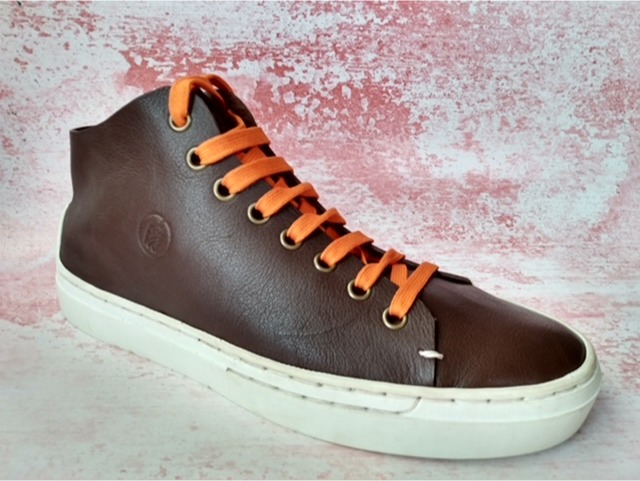
Because we get our animals slaughtered locally, we’re able to get back all the offal and hides as well. I get as many hides as I can tanned into leather. We use a place in Bristol, which is the largest pit tannery in Europe and uses traditional, environmentally friendly methods. When the hides come back, we run workshops under the brand Farmsneaker, where people can come and make a pair of bespoke sneakers in a day from leather from our cows and farm.
We did one recently with six people, and they get to cut out all the elements, put the rivets in, sew them together into a really comfortable modern sole and if they like, they can walk home in them! The workshops are really popular and people really like the experience of making something.
Who tends to come along to the workshops?
We often get mothers and daughters, or groups of friends – it’s mostly women, but the workshops are open to everyone. It takes a good hour to sew each upper to the sole and you really get into that flow state of mind, just focusing on making something. I encourage everyone to turn their phones off and get into it, and I think people appreciate that because in modern life, that complete focus on a manual task is increasingly difficult to access.
How can people get hold of your beef cuts?
We have an email list you can sign up to, and about 70% of our customers come through that – you can order online, then pick up from my farm or my brother’s farm. But on the days when collections are open, you can just come along and browse, take a look at what we’ve got in stock. We’re seeing a lot more people coming along to the farm just to browse, and I think that’s to do with the current economic climate. We’re very happy to serve both preorders and walk in customers, and it’s a great way to come and try the beef and see what you think as we offer fresh and frozen options.
As well as on the farm, we have pop-up stores at local events, so we always mention those on our website.
We’re very big supporters of shopping local – do you find most people that buy from you live nearby?
Most people come from within 10 miles, in fact, probably a little less. But some do come quite a lot further and stock up. The community aspect of farming is really important to us. People come and buy from us, and we end up finding businesses we want to work with, employees, and all sorts through our customers. It’s great to be part of that, and it opens up lots of opportunities for us – and hopefully for our customers, too.
What does being part of the Wiltshire Marque mean to you?
We’re always looking for ways to reach people locally, and we’re quite proud of being in Wiltshire. As a county, we have a huge range of food that we should celebrate, so we’re happy to be part of any scheme that promotes local food and tries to connect farmers with customers.
To buy from Andy or find out when the farm’s next pop-up shop is, visit https://www.andyrummingsbeef.co.uk/, or for trainers, visit https://www.farmsneaker.com/
Share this story: