
Maker Spotlight: Coco Chemistry
1 July 2026
Maker Spotlight
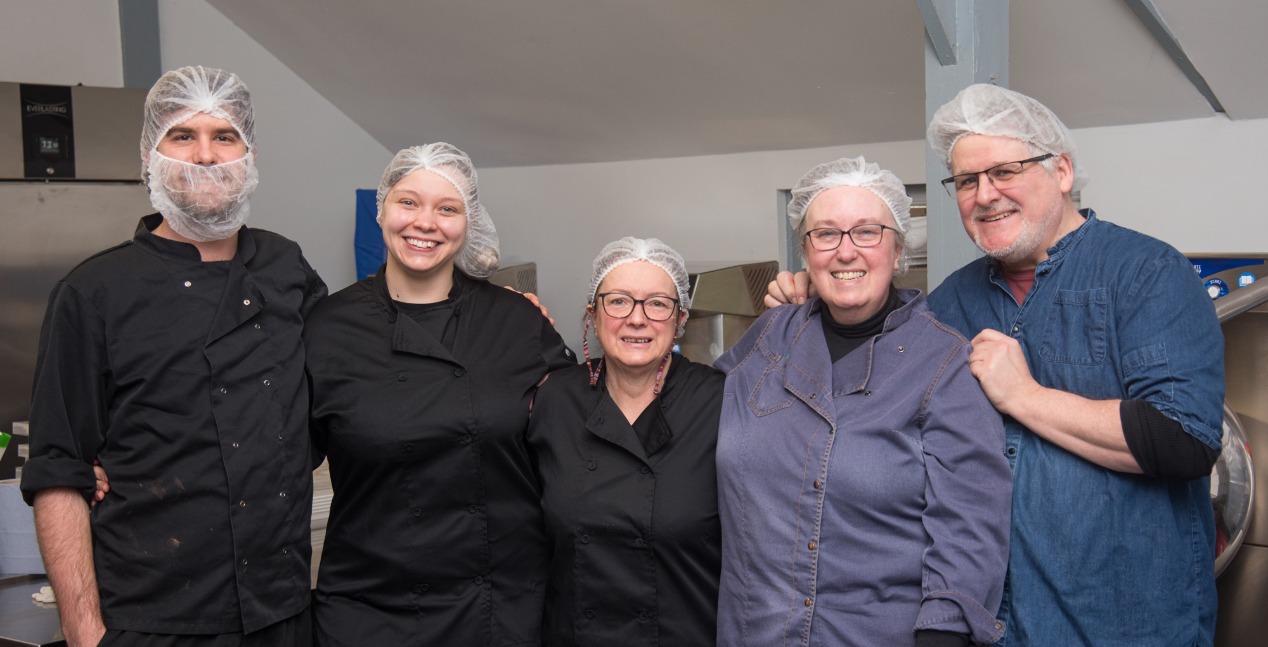
Founded in 2015, Coco Chemistry have been passionate about handcrafting the most delicious, creamy chocolate ever since.
We sat down to chat with founders Julie and Rich to find out more about their transition from chemistry to chocolate, their favourite flavours, and what they love about working with chocolate.
How did you both get into the chocolate business?
Rich: We’re both chemists by trade, which is where the name Coco Chemistry comes from. I came from a cosmetics background, while Julie was teaching science, so we’ve always had that shared love of experimenting with recipes, formulas and ideas. After doing a lot of travelling for work, I felt ready for a change of pace.
We originally started out making cakes, but we wanted to create something with a longer shelf life so we could build up stock while still doing something creative, recipe-led and fun.
Julie: We trained with Mark Tilling, a British champion chocolatier and World Chocolate Masters finalist – you might recognise him from Bake Off: The Professionals. We also spent time learning at the Callebaut Chocolate Academy in Banbury, and since then we’ve continued to develop our skills by following what excites, inspires and challenges us.
So, what flavours and styles do inspire you?
Rich: French pastry chefs are a big inspiration for us – we love their precision, technique and attention to detail. We also get quite a lot of inspiration from American trends.
Julie: Some American chocolate has a very different style to what we’re used to, but there are so many brilliant ideas coming out of the States when it comes to flavour. They really know how to embrace bold, sweet flavours, so if you’ve got a sweet tooth, it’s a great place to look for inspiration
Rich: Definitely – you see some really interesting flavour pairings coming out of America.
Where did the idea for the chocolate salamis come from, as those are quite unique in the UK?
Julie: They’re very popular around the Mediterranean, particularly in Spain, Portugal and Italy at Christmas time. Traditionally, they tend to be short-life products made for the festive season and eaten within a few days, so we wanted to create something with a longer shelf life that could be enjoyed all year round.
We went through quite a bit of trial and error – or scientific methodology, if you like! – to develop the recipes. Take our peanut and salted caramel salami, for example: you need the right balance of wafer, the right level of salt to cut through the sweetness, and plenty of testing to get it just right.
What’s the difference between European chocolates and what we make here in the UK?
Rich: We’re not quite as sophisticated when it comes to chocolate as many European countries. In France, for example, you can look through the window of a chocolatier and see an array of beautifully crafted, artisanal chocolates. Growing up in the UK, our experience was quite different – for many of us, Thornton’s was about as close as we got to that traditional chocolate shop experience.
Julie: The UK consistently ranks among the world’s biggest chocolate-consuming nations, but we tend to buy larger bars and everyday treats rather than savouring small amounts of premium chocolate. At Coco Chemistry, we’re trying to bridge that gap by offering high-quality chocolate with interesting flavour pairings – a little everyday luxury that still feels accessible and affordable.
Rich: And in the UK, people want to understand what they’re buying. While people enjoy discovering something new, there are certain classic flavours that customers return to time and time again.
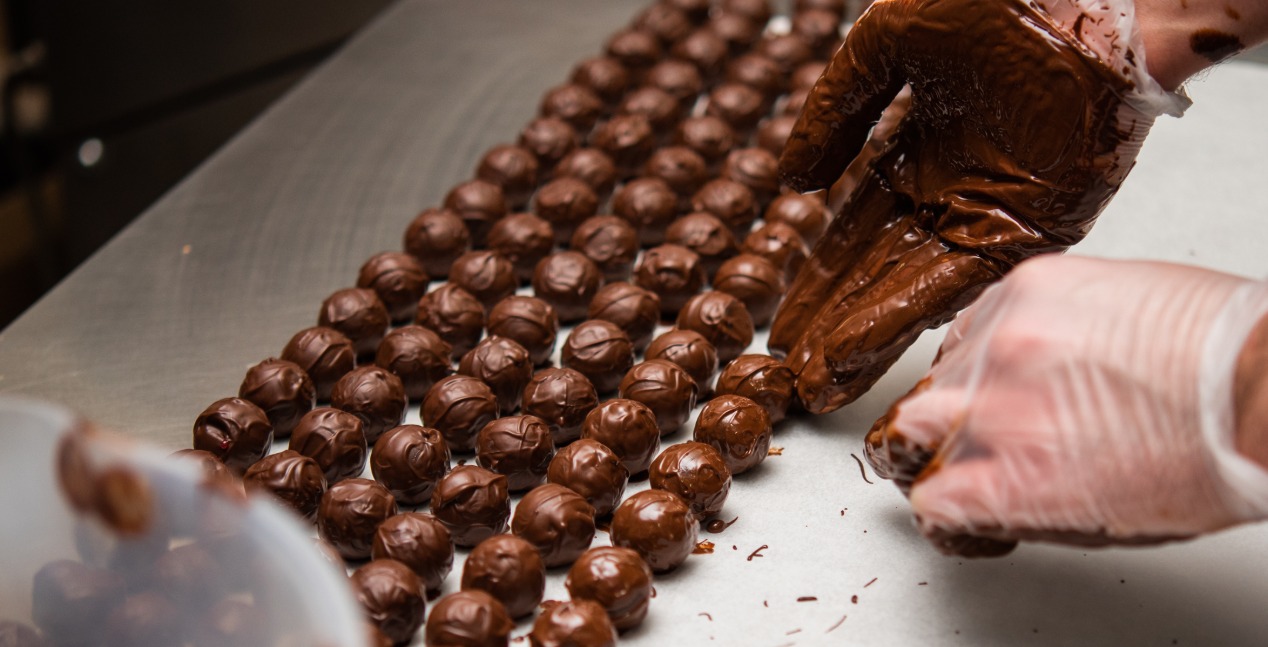
Julie: We saw that first-hand when we had our shop in Oxford. We created some more adventurous flavours, including olive oil and Earl Grey with bergamot, which generated plenty of interest. But when it came to what customers actually bought, it was often the classics that won out – flavours like lemon truffle, orange truffle, and salted caramel remained the firm favourites.
Do you follow the trends like the Dubai chocolate bar at all, or do you focus in on flavour combinations that you know work well?
Rich: We actually make a Dubai chocolate bar ourselves. In fact, we were working with pistachio long before it became the flavour of the moment.
Julie: We once had a pistachio and cranberry chocolate salami in the range, but because it was made with white chocolate, it never really took off. White chocolate tends to be less popular than milk or dark chocolate, so it wasn’t one we revisited at the time.
Rich: Trends are fascinating, though. Something like the Dubai chocolate bar can explode in popularity almost overnight, but often the hype only lasts for a few months or a couple of years before it starts to fade. We keep a close eye on what’s happening in the industry. Recently, for example, there’s been a lot of interest in the ‘spicy and fruity’ trend – or ‘fricy’, as it’s sometimes called. It’s important to stay aware of those shifts in consumer tastes.
Julie: The challenge is that once an ingredient or flavour becomes a global trend, demand often pushes prices up dramatically, making it much more expensive to work with. We try to keep a level head when it comes to trends. We enjoy experimenting and exploring new ideas, but ultimately we focus on creating products that our customers understand, enjoy and are likely to come back for again and again.
How do you gauge what’s going to be a popular flavour combination if it’s not “on-trend”?
Rich: Emotional connection is often a huge factor. People are drawn to flavours that evoke memories and nostalgia. Take violet creams, for example – they remind many people of their grandparents. The same applies to our Millionaire’s chocolate salami. If we called it a caramel and biscuit salami, which is essentially what it is, it probably wouldn’t have the same appeal. But everyone knows and recognises Millionaire’s shortbread, so there’s an immediate connection there.
What’s your most popular product? And what’s something people should really try?
Julie: In terms of sales, our Salted Caramel Swirl Slab is the clear favourite, closely followed by our Milk Chocolate Salted Caramel Truffles. Salted caramel shows no signs of going anywhere – customers absolutely love it.
Personally, though, I’d recommend our Pecan Truffles. They’re one of my favourites and I think they deserve a lot more attention. We’re also very excited about launching a new range of chocolate barks soon! So keep an eye out for that.
Rich: For me, it’s our Lemon Cheesecake Truffle from our Patisserie Collection. We pair lemon with white chocolate, creating a light and refreshing flavour profile and makes for a fantastic summer chocolate.
What are you working on at the moment?
Rich: The warmer weather naturally slows things down a little, so this time of year is all about planning ahead. We’re currently working on designs for our seasonal ranges, including our Advent calendars.
Julie: And even Easter – it might only be July, but we’re already developing ideas for next year’s Easter eggs.
Rich: We use this quieter period to experiment with new concepts, play around with flavour combinations and develop ideas for future collections while many of our customers are away on holiday.
Do you use any local Wiltshire produce in your chocolates?
Rich: We work with the team at Ramsbury Distillery, who produce a bespoke gin blend specifically for our gin truffles. Chocolate requires a higher alcohol content and lower water content than a standard gin, so they create something tailored to our needs.
Julie: We’ve also recently developed a honey caramel using honey from a local supplier, and we’re excited to see how customers respond. We often trial new products in our Lacock shop, so if anyone wants to sample some of our latest experiments, that’s usually the best place to find them.
You use sustainable cocoa – can you tell us more about that?
Julie: The Belgian chocolate we use is sourced through the Cocoa Horizons initiative. As well as ensuring farmers receive a fair price, the initiative focuses on education, sustainability and helping cocoa-growing communities diversify their income. It also supports and empowers women working in cocoa production, making a real difference across farming communities.
Rich: In terms of the chocolate itself, we use what are known as blended grades for many of our products. These are designed to deliver a consistent flavour profile year-round, which is important for products customers expect to taste the same every time.
Alongside that, we also work with single-origin chocolates. These are much more reflective of the regions they come from – sometimes even specific plantations. Their flavour can vary from season to season depending on growing conditions, harvest quality and climate, which makes them particularly interesting to work with in our single-origin range.
What’s it like to be part of the Wiltshire Marque?
Rich: It’s been really positive.
Julie: We work with a number of fellow Wiltshire Marque members, either supplying products or collaborating on projects, and there’s a real sense of community. It’s not just about buying and selling from one another; it’s about sharing experiences, exchanging ideas and supporting each other.
Running a business can be quite isolating at times, so it’s invaluable to have a network of people who understand the challenges and opportunities txhat come with it. It never feels competitive – everyone wants to see each other succeed.
Rich: Most producers do what they do because they genuinely love making things. Of course, there are challenges, and at the moment businesses are facing pressures from all directions, whether that’s rising ingredient costs or customers having less disposable income. What’s great about the Marque is that it brings people together and creates a support network.
It has also helped us connect with customers and businesses locally that we may never have reached otherwise, so it’s been a fantastic way of strengthening those relationships and raising awareness of what we do.
Coco Chemistry’s chocolates and treats are available online at www.cocochemistry.co.uk or at their Chocolate Shed in Lacock. Members of the Coco Club can save 10% on purchases from the drinks and desserts menu in the shop, and earn points on every purchase.
Share this story: