Maker Spotlight: Henge Honey
10 February 2026
Maker Spotlight
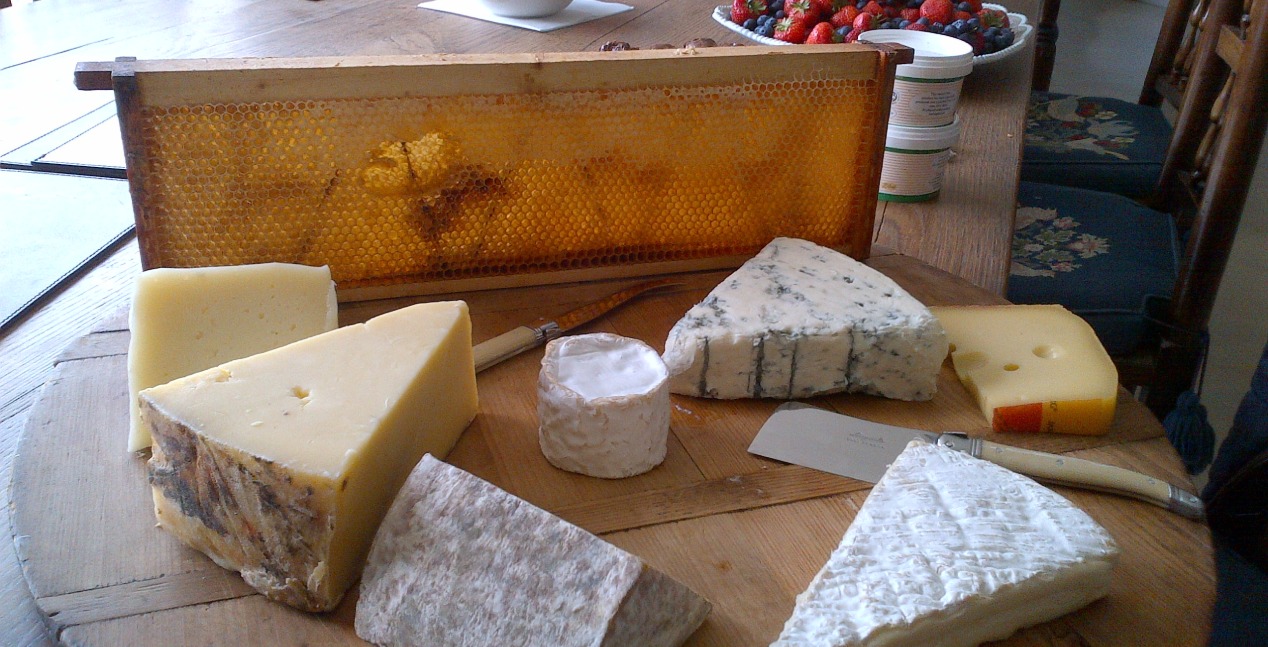
Henge Honey started as a beekeeping hobby for virologist Dr Mark Fife – now, he has 13 hives, producing some of the most sought-after honey in the UK.
We spoke to Mark about the importance of local honey, why Salisbury Plain honey is in such high demand and of course, the best way to eat it.
What inspired you to start beekeeping and selling honey?
About 20 years ago, I decided that I was going to start a new hobby, and I thought I would quite like beekeeping – and then I absolutely fell in love with it. As a scientist, I find what happens in the hive is just utterly fascinating.
I started out with one hive, which then became two, and I’ve now got 13 hives in two apiaries, about five miles apart on the edge of Salisbury Plain. And as you can imagine, that means I’ve got a lot of honey! So the honey helps pay for my hobby and it’s also great to see other people enjoying it.
Why is Salisbury Plain honey different to other types of honey?
I just happen to be right at the epicentre of the best place in England for honey. If you go to a high-end London delicatessen – Harvey Nichols, Fortnum and Mason or Harrods – they will typically sell three types of British honey. Scottish heather honey, Exmoor honey and of course, Salisbury Plain honey.
The reason why Salisbury Plain honey is so sought after is because of the incredible diversity of the wildflowers on the plain. There are no pesticides, very little commercial agriculture and as a result, there’s a huge amount of diversity in forage. That’s what it should be like. My bees are thriving, they’re incredibly healthy and it means that their honey is magnificent.
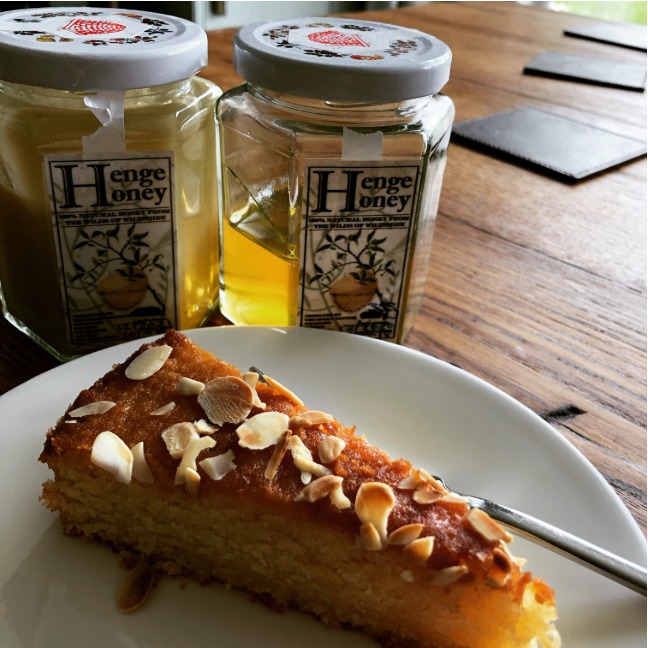
What’s the difference between a local honey and something off the supermarket shelves?
First of all, there’s a huge dearth of UK honey, so most of the honey sold in the UK is non-EU. As it turns out, honey is in fact one of the most fraudulent food substances, along with wine and olive oil. In a study of 100 different types of honey from around the world, 27% of them were found to be adulterated with other ingredients like high fructose corn syrup. That’s how it can be sold so cheaply, because it’s not pure honey at all.
Pure honey also has so many fantastic benefits – it has antibacterial properties and it’s great for your immune system. I had a dog bite once and I went to A&E, where they asked me if I wanted antibiotics or a honey dressing. I took the honey dressing and the wound healed beautifully.
The best way you can be sure you’re getting 100% pure honey is by purchasing from your local beekeeper, and trust me – it’ll taste a lot better, too.
Which of your products would you recommend to first-time buyers?
I sell two different types of honey – a creamed honey and a runny honey. It’s really tough to choose between them and I have a 50/50 split of buyers as well. Some people absolutely love the runny honey, because it’s what they remember as honey from their childhood. But those who have tried the creamed honey adore it.
I like them on different things – have the runny honey with porridge, and try the creamed honey on a hot buttered crumpet as it melts into all the little holes … it’s heavenly. (Note: we at the Wiltshire Marque can confirm that Henge Honey’s creamed honey does taste absolutely delicious on crumpets!)
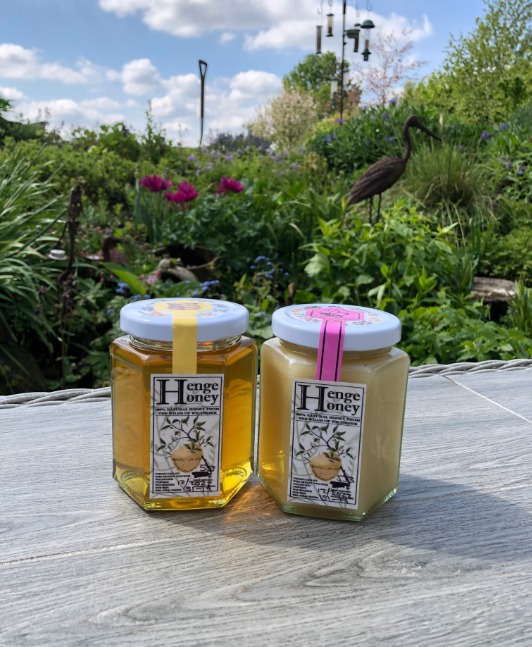
Why do you get two types of honey?
It’s all to do with different times of foraging in the year. The flowers that the bees forage on in spring makes the creamed honey because there’s more glucose in the nectar. In the summer, the nectar has a higher fructose content, which is why you get runny honey. Same bees, different flowers – all perfect.
Where can people get a taste of your products?
It’s currently sold at the National Trust in Lacock, Upavon Stores, Heritage Fine Foods, Salt Deli Kitchen and the Woodborough Garden Centre.
I’m always looking for new stockists as well – as my bees produce for a longer period of time than other apiaries, thanks to the bounty of Salisbury Plain, I’ve got lots of honey available! So I’d love to hear from anyone interested in stocking more local honey.
What does a scheme like the Wiltshire Marque mean to you?
If you know anything about honey, and hopefully people will know a bit more after reading this, you want to make sure you’re buying as locally as possible so you know you’ve got the real deal. A scheme like the Wiltshire Marque can help you find those local producers, so I’m very happy to be part of it.
Follow Mark’s journey on Instagram and pick up a jar of Henge Honey from Heritage Fine Foods as part of their 5adaybox.
Share this story: